Auto Engine Diagnostics

in Kuna, ID

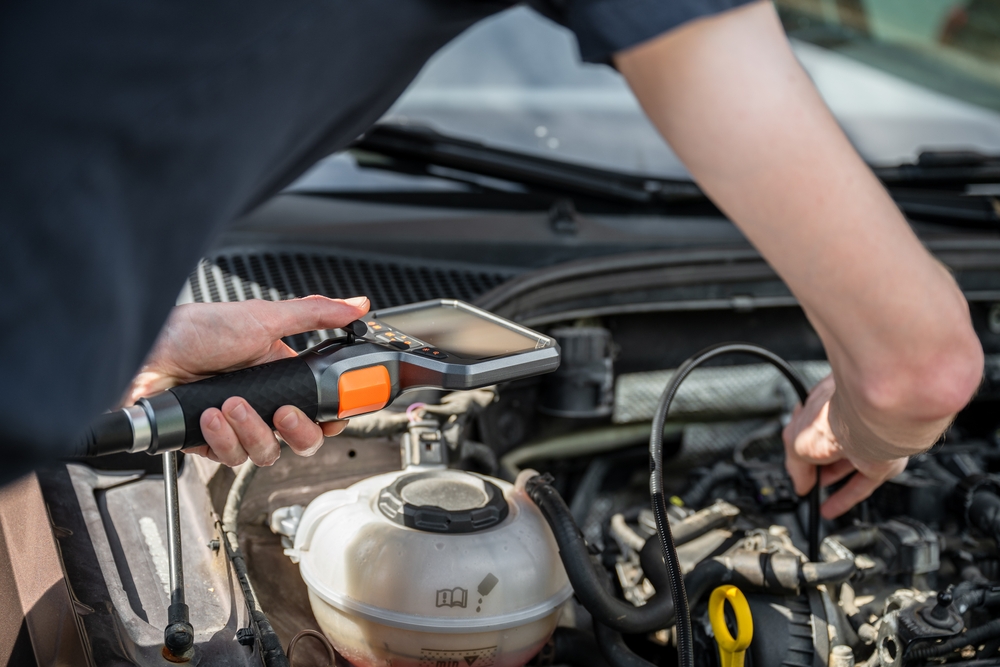
When your check engine light turns on or your vehicle just doesn’t feel right, accurate auto engine diagnostics are the first and most important step. Our shop in Kuna, ID offers thorough diagnostic testing to pinpoint the exact cause of engine issues—saving you time, money, and frustration.

We use advanced scan tools, real-time data analysis, and old-fashioned mechanical expertise to determine what your vehicle truly needs. Instead of guessing and replacing parts blindly, we focus on evidence-based diagnosis so that repairs are done correctly the first time.

What Is Engine Diagnostics?

Modern vehicles are controlled by complex computer systems. Your engine, transmission, fuel system, and emissions system are all monitored by various sensors and managed by the Engine Control Module (ECM) or Powertrain Control Module (PCM). When something isn’t operating within expected parameters, the system stores a diagnostic trouble code (DTC) and, often, turns on the check engine light.

Engine diagnostics is the process of:

  • Reading stored and pending trouble codes from your vehicle’s computer
  • Reviewing live data from sensors and actuators while the engine is running
  • Performing targeted tests to verify what is actually failing
  • Confirming the root cause of the problem, not just the symptom

Proper diagnostics ensures that the right component is repaired or replaced instead of throwing parts at the problem and hoping it goes away.
Common Signs You Need Engine Diagnostics

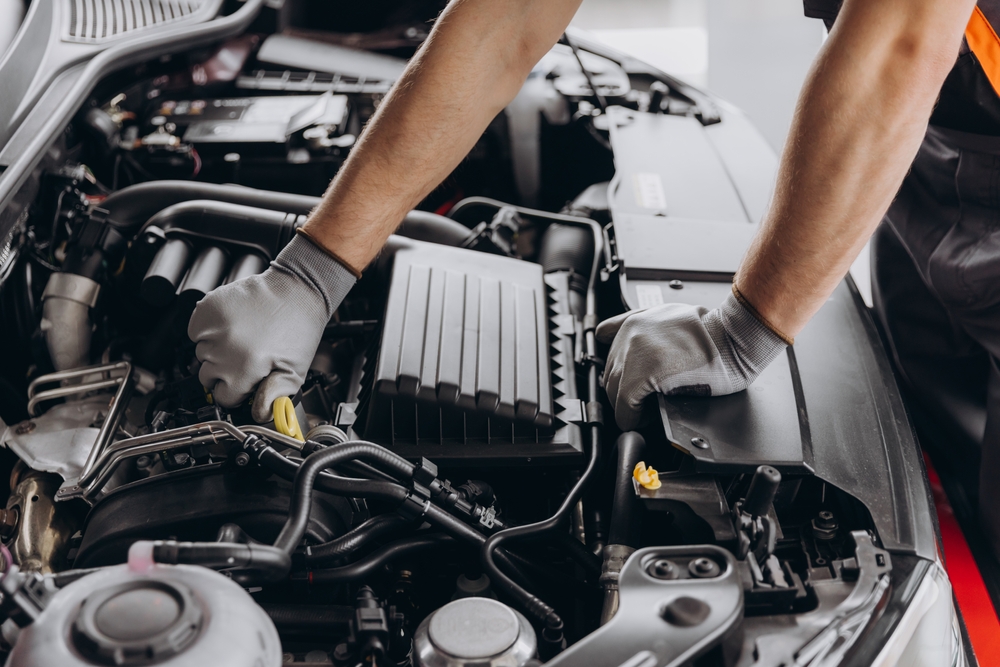
It’s not just the check engine light that signals trouble. Schedule engine diagnostics at our Kuna, ID shop if you notice:

  • Check Engine Light On or Flashing – A steady light indicates a recorded issue; a flashing light can mean a serious misfire that may damage the catalytic converter.
  • Rough Idle – Shaking, vibration, or an uneven idle can indicate fuel, ignition, or air intake problems.
  • Poor Acceleration – Sluggish response, hesitation, or lack of power under load can point to ignition, fuel, sensor, or exhaust issues.
  • Decreased Fuel Economy – A sudden drop in MPG may be a sign of incorrect air/fuel mixture, sensor failure, or fuel delivery issues.
  • Stalling or Hard Starting – If your engine is difficult to start, stalls at idle, or dies at stops, diagnostics are needed.
  • Unusual Smells or Smoke – Fuel smells, exhaust smoke (black, white, or blue), or burning odors should be checked immediately.
  • Knocking, Pinging, or Tapping Noises – Strange engine noises can be caused by timing issues, detonation, or internal wear.

Any of these symptoms can range from minor to serious. Accurate diagnostics reveals whether it’s a simple sensor problem or something that needs immediate attention.

Our Engine Diagnostic Process

We follow a systematic, step-by-step diagnostic process to ensure nothing is overlooked and your money is well spent. While every vehicle is unique, our typical diagnostic routine in Kuna, ID includes:

1. Initial Consultation & Symptom Review

  • We begin by listening to you. When did the issue start? Does it happen hot, cold, at idle, or under load?
  • We ask targeted questions to narrow down conditions that trigger the problem.
  • We perform a quick visual check under the hood for obvious issues like loose connections, damaged hoses, or fluid leaks.

2. Computer Scan & Code Retrieval

  • We connect professional-grade OBD-II diagnostic equipment to your vehicle’s data port.
  • We retrieve stored, pending, and historical diagnostic trouble codes (DTCs).
  • We note freeze-frame data that records what the engine was doing at the moment a fault was triggered (RPM, load, coolant temp, etc.).

It’s important to understand: a code is a starting point, not a complete diagnosis. For example, an oxygen sensor code does not always mean the sensor itself is bad; it could be responding to a different underlying issue.

3. Live Data & Sensor Analysis

  • We view live data streams from critical sensors and actuators while the engine is running.
  • We compare sensor values to normal operating ranges and look for readings that are out of line.
  • We may test drive the vehicle with diagnostic equipment connected to observe how the system behaves under real driving conditions.

Key items we often review include:

  • Oxygen (O2) sensors and fuel trim values
  • Mass Air Flow (MAF) or Manifold Absolute Pressure (MAP) readings
  • Throttle position, engine RPM, and load
  • Coolant and intake air temperatures
  • Ignition timing and misfire data

4. Targeted Component & System Testing

  • Based on codes and data, we test specific components or circuits.
  • We may use a multimeter, lab scope, fuel pressure gauge, smoke machine (for vacuum/EVAP leaks), or other specialized tools.
  • We verify wiring integrity, connectors, grounds, and sensor signals before suggesting replacement.

This step separates guesswork from genuine diagnostic work. We only recommend repairs after confirming the actual failure.

5. Results, Recommendations & Estimate

  • We explain what we found in plain language, not just code numbers or jargon.
  • We outline the likely cause or causes of your issue, along with any contributing problems we discovered.
  • We provide a written estimate for the recommended repairs or services.

In many cases, a vehicle may have more than one issue. We help you prioritize repairs so safety and reliability come first, followed by performance and efficiency.
Systems We Commonly Diagnose

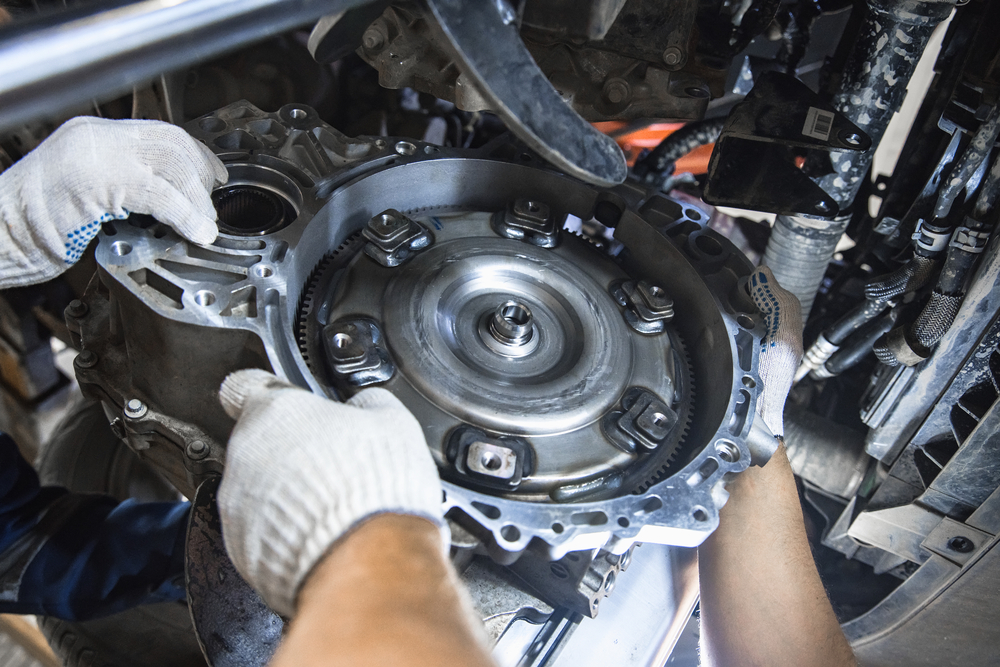
Our engine diagnostics in Kuna, ID cover all major engine-related systems, including:

  • Ignition System – Spark plugs, coils, ignition wires, crank and cam sensors, timing issues, misfires.
  • Fuel System – Fuel injectors, fuel pump, pressure regulators, fuel filter restrictions, dirty injectors.
  • Air Intake System – MAF/MAP sensors, throttle body, vacuum leaks, intake leaks, idle control problems.
  • Emissions & Exhaust – O2 sensors, catalytic converters, EGR systems, EVAP systems, exhaust restrictions.
  • Engine Mechanical – Compression, timing belt/chain issues, valve problems, internal wear indicators.
  • Charging & Electrical – Battery, alternator charging output, power and ground issues affecting the engine control system.


Types of Engine Diagnostic Services We Offer

Check Engine Light Diagnosis

If your check engine light is on or flashing, we provide:

  • Full code scan and freeze-frame analysis
  • Live data interpretation
  • Verification testing for suspect components or circuits
  • Repair plan and estimate based on confirmed faults

Performance & Drivability Diagnostics

For vehicles with performance complaints but no obvious warning lights, we diagnose:

  • Hesitation or surging
  • Lack of power under acceleration
  • Rough running, vibration, or shaking under load
  • Inconsistent idle, hunting or stalling

Fuel Economy & Emissions Diagnostics

If you’ve noticed an increase in fuel consumption or failed an emissions test, we diagnose:

  • Rich or lean running conditions
  • Faulty O2 sensors, MAF/MAP sensors, or temperature sensors
  • Evaporative emissions system leaks or failures
  • Catalytic converter efficiency problems

Intermittent Problem Diagnostics

Some problems don’t happen all the time. Intermittent issues can be the hardest to track down. We use:

  • Data logging during extended test drives
  • Wiggle tests and thermal tests for wiring and components
  • Strategy-based diagnostics to recreate the conditions that cause the problem
Schedule Auto Engine Diagnostics in Kuna, ID

If your check engine light is on, your vehicle isn’t running like it should, or you just want peace of mind before a trip, we’re here to help. Our team provides thorough, professional auto engine diagnostics in Kuna, ID for most makes and models, including domestic and import vehicles.

Contact us today to schedule an appointment or to learn more about our diagnostic process. We’ll pinpoint the issue, explain your options, and help you get back on the road with confidence.